2026 Thunderbird Bay, TX Planting Calendar
Local Climate Snapshot: The last frost date in Thunderbird Bay is around February 13th. The first frost date in Thunderbird Bay is around November 11th. Gardeners in Thunderbird Bay have a growing window of approximately 271 days. Our Thunderbird Bay Planting Schedule is calibrated using historical frost patterns and each crop’s tolerance for cold or need for warm soil. Cool-season crops can be planted before the last frost, while warm-season crops are timed for safer, warmer conditions — always adjust for your local weather.
Spring / Last Frost-based Planting
Acorn Squash
Arugula
Asparagus
Banana Peppers
Basil
Bay Laurel
Bell Peppers
Blackberries
Blueberries
Bok Choy
Borage
Broccoli
Bush Beans
Butterhead Lettuce
Butternut Squash
Cabbage
Calendula
Cantaloupe
Carrots
Cauliflower
Chives
Cilantro
Collard Greens
Cosmos
Cowpeas (Southern Peas)
Cucumbers
Daikon Radish
Dill
Eggplant
Endive
Escarole
Fava Beans
Fennel
Grapes
Green Beans
Ground Cherries
Honeydew
Hot Peppers (General)
Iceberg Lettuce
Jalapeño Peppers
Jerusalem Artichoke (Sunchoke)
Kale
Kohlrabi
Lavender
Leeks
Lemongrass
Lettuce
Lima Beans
Marigolds
Marjoram
Mint
Mustard Greens
Nasturtiums
Okra
Onions
Oregano
Parsley
Parsnips
Peas
Pickling Cucumbers
Poblano Peppers
Pole Beans
Potatoes
Pumpkins
Raspberries
Romaine Lettuce
Romanesco
Rosemary
Rutabaga
Sage
Scallions
Shallots
Soybeans (Edamame)
Spinach
Strawberries
Sunflowers
Sweet Corn
Sweet Potatoes
Swiss Chard
Tarragon
Tatsoi
Thyme
Tomatillos
Tomatoes
Turnip Greens
Turnips
Watermelon
Wax Beans
Winter Squash (General)
Yellow Squash
Zinnias
Zucchini
| Crop | # Weeks to Start Before Last Frost |
Start Inside (mm-dd) |
Direct Sow (mm-dd) |
Transplant (mm-dd) |
Notes |
|---|---|---|---|---|---|
| Acorn Squash | 03-06 | Sow after last frost in warm soil; give vines room to sprawl. | |||
| Arugula | 9 | 12-12 | 02-06 | Start indoors early with bright light; transplant to cool-season beds. Arugula is a cool-season green; direct sow about 1 week before last frost in workable soil. | |
| Asparagus | Plant asparagus crowns in a permanent trench as soon as soil can be worked. | ||||
| Banana Peppers | 9 | 12-12 | 03-06 | Start banana peppers 8–10 weeks before last frost for best yields. Transplant after frost when soil and nights are warm. Peppers stall in cool soil. | |
| Basil | 7 | 12-26 | 02-27 | Start Basil Seeds indoors Transplant after frost risk has passed. Basil blackens in cold conditions. | |
| Bay Laurel | 03-13 | Set out later once nights are reliably warm; bay laurel is cold-sensitive. | |||
| Bell Peppers | 9 | 12-12 | 03-06 | Peppers take a long time to germinate; start early in a warm spot. Transplant once nights are consistently above 55°F. Peppers stall in cool soil and recover slowly. | |
| Blackberries | 01-16 | Plant dormant blackberry canes in early spring; provide trellis/support as needed. | |||
| Blueberries | 01-16 | Plant dormant blueberry bushes in early spring while soil is workable; mulch and water in. | |||
| Bok Choy | 6 | 01-02 | 01-30 | Start bok choy indoors 4–6 weeks before last frost for spring planting. Direct sow bok choy at the beginning of spring once soil can be worked. | |
| Borage | 01-30 | Borage tolerates cool weather; sow before last frost for early flowers and pollinator support. | |||
| Broccoli | 7 | 12-26 | 02-13 | Start indoors to ensure plants are established before the heat hits. Broccoli can handle a light frost after being hardened off. | |
| Bush Beans | 02-20 | Sow after last frost when nights are mild. Cold soil can rot seed. | |||
| Butterhead Lettuce | 8 | 12-19 | 01-16 | 01-23 | Start butterhead indoors ~8 weeks before last frost for early heads. Direct sow butterhead in cool soil; thin for airflow. Transplant butterhead ~3 weeks before last frost; keep growth steady to reduce bolting. |
| Butternut Squash | 03-06 | Sow after last frost in warm soil; butternut needs a long season. | |||
| Cabbage | 7 | 12-26 | 01-23 | Start cabbage seeds indoors early to ensure they mature before summer heat. Cabbage is frost-hardy; move starts outside a few weeks before the final frost. | |
| Calendula | 01-30 | Calendula tolerates cool weather; sow a couple weeks before last frost. | |||
| Cantaloupe | 4 | 01-16 | 02-27 | 02-27 | Start in peat pots to avoid root disturbance during transplant. Direct sow after last frost once soil is warm. Thin to the strongest plants and keep moisture steady early on. Transplant only after frost risk is completely gone. Melons stall in cool soil. |
| Carrots | 01-23 | Carrots can handle a light frost. Sow directly in the soil. | |||
| Cauliflower | 6 | 01-02 | 01-30 | Start cauliflower 4–6 weeks before transplanting (indoor start). Transplant cauliflower about 2 weeks before last frost; protect from cold snaps. | |
| Chives | 01-30 | Plant chives in early spring; cold-hardy perennial (or sow as soon as workable). | |||
| Cilantro | 01-30 | Cilantro loves cool weather; sow before the heat hits. | |||
| Collard Greens | 01-16 | Hardy greens that can handle a bit of frost. | |||
| Cosmos | 02-20 | Direct sow cosmos after last frost; thrives in heat and poorer soils. | |||
| Cowpeas (Southern Peas) | 03-13 | Sow in late spring/early summer once soil is hot; cowpeas are heat-loving. | |||
| Cucumbers | 02-27 | Sow in warm soil. Trellis to save space and improve airflow. | |||
| Daikon Radish | 01-30 | Daikon can be spring-sown early, but performs best as a fall crop. | |||
| Dill | 01-30 | Sow early; dill thrives in cool spring weather. | |||
| Eggplant | 8 | 12-19 | 03-06 | Sow once soil has warmed; cold soil causes poor germination and uneven stands. Transplant after frost risk has passed. Confirm soil warmth with a 2–4 inch morning soil thermometer reading for best establishment. | |
| Endive | 7 | 12-26 | 01-23 | 01-30 | Start endive indoors for reliable spring stands; keep seedlings cool and steady. Direct sow endive in cool soil; thin to reduce bitterness from stress. Transplant endive into cool beds; steady watering helps quality. |
| Escarole | 7 | 12-26 | 01-23 | 01-30 | Start escarole indoors; steady growth improves quality. Direct sow escarole in cool weather; thin for airflow. Transplant escarole into cool beds; keep evenly watered. |
| Fava Beans | 01-02 | Fava beans tolerate cold; sow very early spring for pods before heat. | |||
| Fennel | 02-20 | Direct sow fennel after frost risk; steady growth prevents bolting. | |||
| Grapes | 01-16 | Plant grapes early spring while dormant; choose a sunny, well-drained site. | |||
| Green Beans | 02-20 | Sow once soil is warm. Beans rot in cold, wet soil. | |||
| Ground Cherries | 7 | 12-26 | 02-27 | Start ground cherries 6–8 weeks before last frost; they behave like tomatoes. Transplant ground cherries after last frost; cage or mulch for cleaner fruit. | |
| Honeydew | 4 | 01-16 | 02-27 | 02-27 | Start honeydew in pots 3–4 weeks before transplanting to avoid root disturbance. Direct sow after last frost once soil is warm. Transplant about 2 weeks after last frost into warm soil. |
| Hot Peppers (General) | 9 | 12-12 | 03-06 | Hot peppers are slow; start 8–10 weeks before last frost with steady warmth. Transplant after frost once nights stay warm (55°F+). Peppers stall in cool soil. | |
| Iceberg Lettuce | 8 | 12-19 | 01-16 | 01-23 | Start iceberg indoors ~8 weeks before last frost for head lettuce. Direct sow iceberg early; consistent moisture improves head formation. Transplant iceberg ~3 weeks before last frost; row cover helps in cold snaps. |
| Jalapeño Peppers | 9 | 12-12 | 03-06 | Start Jalapeños early; they need consistent warmth to germinate. Transplant after frost once nights stay above 55°F. Peppers stall in cool soil. | |
| Jerusalem Artichoke (Sunchoke) | 01-16 | Plant sunchoke tubers in early spring while soil is workable; choose a permanent spot. | |||
| Kale | 01-16 | Kale is incredibly frost-tolerant; sow early. | |||
| Kohlrabi | 8 | 12-19 | 01-16 | Start kohlrabi indoors 4–6 weeks before transplanting. Transplant kohlrabi ~4 weeks before last frost; cold-hardy when hardened off. | |
| Lavender | 10 | 12-05 | 02-27 | Lavender from seed is slow; start early with bright light and well-drained medium. Transplant lavender after frost risk; avoid soggy soils. | |
| Leeks | 10 | 12-05 | 01-16 | Start leeks indoors ~8–10 weeks before last frost for strong transplants. Transplant leeks ~4 weeks before last frost; cold-tolerant once hardened. | |
| Lemongrass | 8 | 12-19 | 03-13 | Start lemongrass indoors; it needs a long warm season and strong light. Transplant after frost once soil is very warm; lemongrass is cold-sensitive. | |
| Lettuce | 8 | 12-19 | 01-16 | Start indoors for reliable early plants; keep seedlings cool and evenly moist. Lettuce seeds germinate best in cool soil. | |
| Lima Beans | 02-27 | Sow once soil is thoroughly warm; limas need more heat than snap beans. | |||
| Marigolds | 6 | 01-02 | 02-20 | 02-13 | Start marigolds indoors ~6 weeks before last frost for earlier blooms. Direct sow marigolds after last frost for easy blooms. Transplant marigolds around last frost once hardened off. |
| Marjoram | 02-27 | Plant marjoram after frost; treat as tender perennial/annual in colder zones. | |||
| Mint | 01-30 | Plant mint early spring (best in containers); very vigorous spreader. | |||
| Mustard Greens | 01-23 | Mustard greens are cold-tolerant; sow early for spring greens. | |||
| Nasturtiums | 02-13 | Direct sow nasturtiums around last frost; avoid rich soil for best flowering. | |||
| Okra | 03-13 | Wait for hot weather; okra thrives in heat and struggles in cool spring soil. | |||
| Onions | 8 | 12-19 | Start indoors early; provide bright light to prevent leggy seedlings. | ||
| Oregano | 02-27 | Plant oregano transplants after frost; pinch tips for bushier growth. | |||
| Parsley | 10 | 12-05 | 01-30 | 01-30 | Parsley germinates slowly; start 9–10 weeks before last frost for transplants. Direct sow parsley in cool spring soil; keep seedbed consistently moist. Transplant parsley 2–3 weeks before last frost; tolerates cool weather. |
| Parsnips | 02-13 | Parsnips are slow; sow after last frost as soil becomes workable and warms. | |||
| Peas | 01-16 | Peas should go in the ground very early; they don't mind light frost. | |||
| Pickling Cucumbers | 02-27 | Sow after last frost in warm soil. Trellis if possible for cleaner fruit. | |||
| Poblano Peppers | 9 | 12-12 | 03-06 | Start poblano peppers 8–10 weeks before last frost; provide strong light. Transplant after last frost in consistently warm conditions. | |
| Pole Beans | 02-20 | Sow after last frost in warm soil and provide a trellis. | |||
| Potatoes | 01-23 | Plant seed potato chunks with at least two "eyes" facing up. | |||
| Pumpkins | 03-13 | Sow once soil is warm; pumpkins need a long season and steady heat to mature. | |||
| Raspberries | 01-16 | Plant dormant raspberry canes in early spring while soil is workable; mulch and water in. | |||
| Romaine Lettuce | 8 | 12-19 | 01-16 | 01-23 | Start romaine indoors ~8 weeks before last frost for strong transplants. Direct sow romaine in cool soil; keep seedbed evenly moist. Transplant romaine ~3 weeks before last frost; protect with row cover if needed. |
| Romanesco | 6 | 01-02 | 01-30 | Start romanesco indoors like cauliflower for reliable spring stands. Transplant romanesco into cool beds; steady growth improves head formation. | |
| Rosemary | 02-27 | Set out rosemary transplants after frost risk; prefers warm soil and full sun. | |||
| Rutabaga | 01-30 | Rutabaga prefers cool conditions; sow early spring (often mid-summer for fall roots). | |||
| Sage | 02-27 | Plant sage after frost; prefers well-drained soil and sun. | |||
| Scallions | 01-16 | Sow scallions early; they tolerate cool weather and mature quickly. | |||
| Shallots | 01-30 | Plant shallot sets in early spring while soil is workable; keep weed-free. | |||
| Soybeans (Edamame) | 02-27 | Sow after last frost in warm soil and full sun for strong early growth. | |||
| Spinach | 7 | 12-26 | 01-23 | Start indoors for early plants; keep seedlings cool to prevent stress. Spinach loves the cold. Plant as soon as the soil can be worked. | |
| Strawberries | 01-30 | Plant strawberry starts now; protect blossoms if a late frost is predicted. | |||
| Sunflowers | 02-27 | Sow once soil has warmed for fast emergence and strong early growth. | |||
| Sweet Corn | 03-06 | Sweet corn requires soil temps above 60°F. Soil gate: sow only after soil reaches 60°F+ to prevent seed rot and uneven stands. | |||
| Sweet Potatoes | 03-13 | Plant slips once soil is very warm. Cold soil causes rot and poor rooting. | |||
| Swiss Chard | 01-30 | More heat-tolerant than spinach; can be sown nearly anytime. | |||
| Tarragon | 02-27 | Plant tarragon after frost; avoid wet soils to prevent root issues. | |||
| Tatsoi | 6 | 01-02 | 01-30 | Start tatsoi indoors ~4–6 weeks before last frost; grows best in cool conditions. Direct sow tatsoi early spring once soil can be worked. | |
| Thyme | 02-27 | Set out thyme transplants after frost risk; drought-tolerant once established. | |||
| Tomatillos | 7 | 12-26 | 02-27 | Start tomatillos 6–8 weeks before last frost; pot up to avoid stunting. Transplant tomatillos after last frost; plant at least two for pollination. | |
| Tomatoes | 8 | 12-19 | 02-20 | Start seeds in trays with heat mats for the best head start. Transplant once frost risk is low. Earlier planting can boost yields before peak summer heat; cold soil slows rooting even after frost danger. | |
| Turnip Greens | 01-23 | Turnip greens grow best in cool weather; sow early spring. | |||
| Turnips | 01-23 | Sow turnips 2–4 weeks before last frost for spring roots. | |||
| Watermelon | 03-13 | Wait for real heat; watermelons are very cold-sensitive and stall in cool soil. | |||
| Wax Beans | 02-20 | Grow like snap beans: sow after last frost in warm soil. | |||
| Winter Squash (General) | 03-06 | Sow after last frost once soil warms; winter squash needs heat and time. | |||
| Yellow Squash | 02-27 | Sow once soil is warm and nights are mild. | |||
| Zinnias | 02-20 | Direct sow zinnias after last frost; they prefer warm soil and sun. | |||
| Zucchini | 02-27 | Sow in warm soil; zucchini grows fast and takes off quickly once established. |
Fall / First Frost-based Planting
Arugula
Beets
Bok Choy
Broccoli
Brussels Sprouts
Bush Beans
Butterhead Lettuce
Cabbage
Carrots
Cauliflower
Chinese Cabbage (Napa)
Cilantro
Collard Greens
Cucumbers
Daikon Radish
Dill
Endive
Escarole
Fennel
Garlic
Green Beans
Iceberg Lettuce
Kale
Kohlrabi
Lettuce
Mustard Greens
Onions
Peas
Pole Beans
Potatoes
Radishes
Romaine Lettuce
Romanesco
Rutabaga
Spinach
Swiss Chard
Tatsoi
Turnip Greens
Turnips
Zucchini
| Crop | # Weeks to Start Before First Frost |
Start Inside (mm-dd) |
Direct Sow (mm-dd) |
Transplant (mm-dd) |
Notes |
|---|---|---|---|---|---|
| Arugula | 09-30 | For fall arugula, sow about 4–6 weeks before first frost for a late harvest. | |||
| Beets | 09-16 | Beets mature well in the cooling autumn soil. | |||
| Bok Choy | 09-16 | For fall bok choy, sow ~8 weeks before first frost to mature in cool weather. | |||
| Broccoli | 14 | 08-05 | 08-19 | 09-02 | Fall broccoli: start seeds indoors about 14–16 weeks before first frost so transplants are ready on time. Broccoli needs time to establish before the days get too short. Fall broccoli: transplant about 10–12 weeks before first frost so heads form in cool weather. |
| Brussels Sprouts | 20 | 06-24 | 07-22 | 07-22 | Start Brussels sprouts indoors early (about 20 weeks before first frost) to allow a long fall crop. Brussels sprouts are long-season: start early so plants size up well before cold slows growth. Transplant Brussels sprouts about 16 weeks before first frost for best fall/winter sprouts. |
| Bush Beans | 09-02 | Sow bush beans ~10 weeks before first frost for a fall crop (quick varieties). | |||
| Butterhead Lettuce | 09-30 | Fall sow butterhead ~6 weeks before first frost for sweet leaves. | |||
| Cabbage | 14 | 08-05 | 09-02 | Fall cabbage: start seeds indoors about 14–16 weeks before first frost so transplants are ready on time. Fall cabbage: transplant about 10–12 weeks before first frost for best heading in cool weather. | |
| Carrots | 08-19 | Fall carrots: sow 11–13 weeks before first frost so roots size up before cold slows growth. | |||
| Cauliflower | 09-16 | Transplant fall cauliflower ~8 weeks before first frost for heading in cool temps. | |||
| Chinese Cabbage (Napa) | 09-02 | Napa cabbage performs best as a fall crop; sow ~10 weeks before first frost for firm heads. | |||
| Cilantro | 09-16 | Cilantro loves the cooling autumn air; sow now for a fall taco feast. | |||
| Collard Greens | 08-19 | Best when matured in the cool air of autumn. | |||
| Cucumbers | 09-16 | Late-season cucumbers can have fewer pests; use fast-maturing varieties and protect as nights cool. | |||
| Daikon Radish | 09-16 | Sow daikon ~8 weeks before first frost for crisp fall roots. | |||
| Dill | 09-16 | Fall dill is perfect for late-season pickling. | |||
| Endive | 09-16 | Fall sow endive ~8 weeks before first frost; cooler nights reduce bitterness. | |||
| Escarole | 09-16 | Fall sow escarole ~8 weeks before first frost; quality improves as temps cool. | |||
| Fennel | 09-02 | Sow fennel ~10 weeks before first frost for fall bulbs; cool temps improve quality. | |||
| Garlic | 10-14 | Plant garlic in fall for harvest next summer. Planting after soil cools encourages strong roots without excessive top growth. | |||
| Green Beans | 09-02 | A late summer planting yields a great fall crop before the freeze. | |||
| Iceberg Lettuce | 09-30 | Fall sow iceberg ~6 weeks before first frost; start early enough to size up. | |||
| Kale | 09-16 | Kale actually tastes sweeter after a light frost. | |||
| Kohlrabi | 09-02 | Direct sow kohlrabi ~10 weeks before first frost for fall bulbs. | |||
| Lettuce | 09-02 | Fall lettuce: sow about 9–11 weeks before first frost for best establishment in cooling weather. | |||
| Mustard Greens | 09-16 | Sow mustard ~8 weeks before first frost for fast fall greens. | |||
| Onions | 09-30 | Fall-planted onions can overwinter and bulb up in spring. Cool conditions support strong roots. | |||
| Peas | 09-02 | Plant fall peas 10 weeks before frost; germinate best as temps moderate—keep soil consistently moist. | |||
| Pole Beans | 09-02 | Sow pole beans ~10 weeks before first frost; protect as nights cool. | |||
| Potatoes | 08-19 | Fall potatoes must be planted early enough to grow tubers before frost. | |||
| Radishes | 10-14 | Radishes are the ultimate fast crop for the end of the season. | |||
| Romaine Lettuce | 09-30 | Fall sow romaine ~6 weeks before first frost for crisp cool-weather growth. | |||
| Romanesco | 09-16 | Transplant fall romanesco ~8 weeks before first frost for heading in cool weather. | |||
| Rutabaga | 08-19 | For fall rutabaga, sow ~12 weeks before first frost for full-size roots. | |||
| Spinach | 09-16 | Fall spinach: sow about 8–11 weeks before first frost so plants establish before short days slow growth. | |||
| Swiss Chard | 09-02 | Sow in late summer for greens that last deep into the winter. | |||
| Tatsoi | 09-16 | Fall sow tatsoi ~8 weeks before first frost; tolerates cool nights well. | |||
| Turnip Greens | 09-16 | Sow turnip greens ~8 weeks before first frost for tender fall harvest. | |||
| Turnips | 09-16 | Sow turnips ~8 weeks before first frost for sweet fall roots. | |||
| Zucchini | 09-02 | Plant a second round of Zucchini in late summer for a heavy fall harvest. |
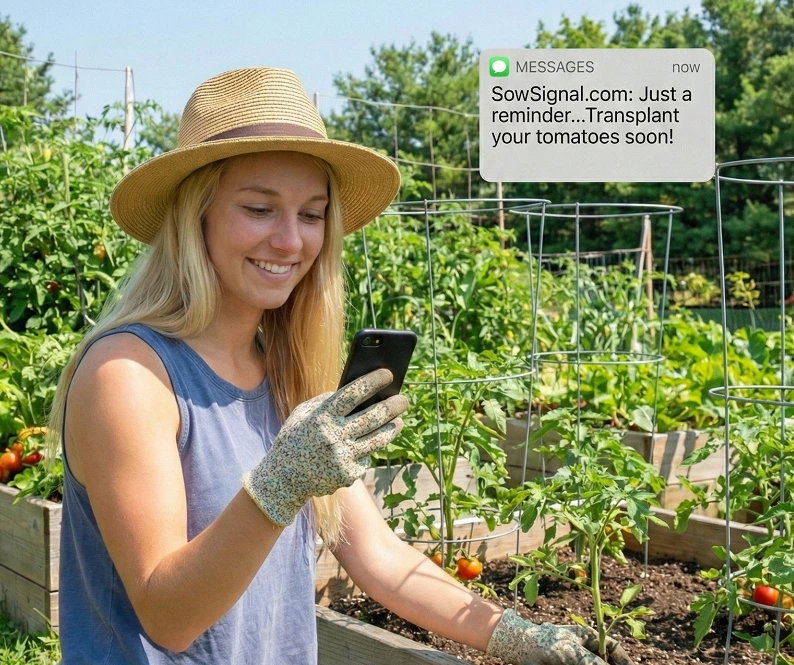
Get SMS garden reminders for the Thunderbird Bay area
SMS Garden Reminders
Thunderbird Bay, TXThunderbird Bay, TX Gardeners
- • Seed-start reminders (indoors/outdoors)
- • Transplant timing reminders
- • “Last date to plant” nudges
- • More crops + more seasonal guidance
You’ll get SMS garden & planting reminders for Thunderbird Bay, TX and surrounding areas.
Example alert
🌱 Sow Signal: Heads up Thunderbird Bay! Starting this week, it’s a great time to start tomatoes indoors for best results.
Example alert
🌱 Sow Signal: Thunderbird Bay Gardeners, You have about a week left to get your hot pepper seeds started for the best results!!
FAQs for Thunderbird Bay area gardeners
When to plant Tomatoes in Thunderbird Bay? +
Our planting calendar not only shows when to plant tomatoes in Thunderbird Bay, but also uses localized data to give you a more specific Thunderbird Bay planting schedule.
What planting zone is Thunderbird Bay, Texas? +
We don't just go by planting zones. USDA zones are a baseline, but they’re often not specific enough for real planting decisions. We focus on area-specific timing signals to help you act when it matters.
When to plant Jalapenos in Texas? +
Check out our planting calendar above to see exactly when you can plant Jalapenos in Texas.
Can I stop the SMS Garden Reminders anytime? +
Yes. Reply STOP to opt out. Reply HELP for help. Standard message and data rates may apply.
Serving
Thunderbird Bay, TX and surrounding areas.